






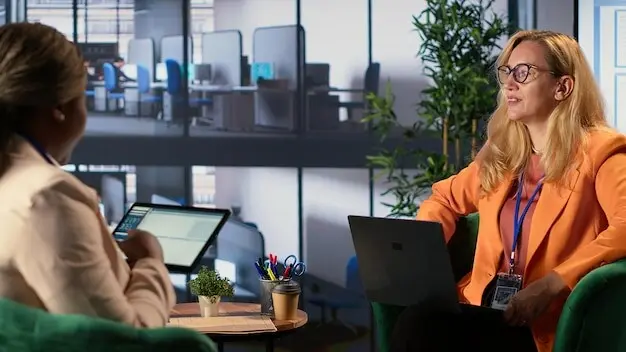


Find or Form a Tiny Accountability Pod
Recruit two or three people with compatible schedules and generous mindsets. Agree on cadence, channels, and norms, like blameless feedback and confidentiality. Keep meetings short with clear agendas, rotating facilitation. Pods thrive when everyone experiments, reflects, and supports. If chemistry fails, reset without drama. The right small group will help you catch blind spots, maintain momentum, and celebrate steady progress through gentle pressure and shared curiosity.

Share Your Playbooks Publicly, Learn Faster
Publish lightweight notes about hypotheses, setups, and results. Transparency invites useful critique and inspires others to try variations. Keep posts concise and honest, highlighting what surprised you. Public artifacts also strengthen your identity as a learner, making continuation feel natural. Ask specific questions that guide feedback. Over time, your library becomes a map of personal breakthroughs, reusable checklists, and cautionary tales that shorten the path for everyone following.

Invite Feedback, Iterate With Others
Design explicit feedback prompts, like what would you try next with my constraints. When advice arrives, extract principles instead of prescriptions, then test the smallest adaptation inside your next sprint. Credit contributors and share updates. Collaboration compounds insight while preserving autonomy. You remain the scientist of your life, but a better one when diverse perspectives refine experiments, reduce bias, and keep the process playful, brave, and continuously renewing.